-
Liver & cell energy · from Berberis and goldenseal roots
Berberine
What it is: A bright-yellow alkaloid found in barberry, goldenseal and Chinese goldthread, used in traditional Chinese and Ayurvedic medicine for centuries.
What research shows: The best-studied of the four. Meta-analyses of trials in people with type 2 diabetes report modest drops in fasting glucose and A1C, usually at 0.9-1.5 g a day split across meals. It appears to activate AMPK, the cell’s energy sensor, and reduce glucose output from the liver.*
Watch for: Constipation, diarrhoea and cramps are common. It interacts with metformin, cyclosporine and drugs processed by CYP liver enzymes. Not for pregnancy, breastfeeding or newborns.
-
Cravings & absorption · Gymnema sylvestre leaf
Gymnema Sylvestre
What it is: A climbing plant from India whose Hindi name, gurmar, means “sugar destroyer”. Chewing the leaf briefly blocks the taste of sweetness.
What research shows: Gymnemic acids sit on sweet-taste receptors on the tongue and in the gut. Small, older trials, mostly in India, reported lower glucose; a systematic review called the evidence promising but too weak to recommend it.*
Watch for: May add to diabetes medicine and cause low blood sugar. Rare reports of liver injury. Stop two weeks before surgery.
-
Insulin-like action · Momordica charantia fruit
Bitter Melon
What it is: A warty green gourd eaten as a vegetable across Asia, Africa and the Caribbean, and one of the world’s most popular folk remedies for “sugar”.
What research shows: Contains charantin and polypeptide-p, which act a little like insulin in lab studies. A Cochrane review found too few good trials to say whether it helps people with type 2 diabetes.*
Watch for: Stomach upset; can lower blood sugar with medicines; avoid in pregnancy. The seeds can trigger haemolysis in people with G6PD deficiency.
-
Glucose uptake & antioxidant · ALA, thioctic acid
Alpha Lipoic Acid
What it is: A sulfur-containing compound your mitochondria make in small amounts; it is also found in spinach, broccoli and organ meats.
What research shows: Best known for nerve-symptom trials: 600 mg a day by mouth eased burning and numbness in diabetic neuropathy in the SYDNEY 2 trial. Effects on glucose itself are small and inconsistent.*
Watch for: Nausea and rash at higher doses. May lower blood sugar with medicines. A rare autoimmune low-blood-sugar reaction has been reported, mostly in people of East Asian descent.
The formula at a glance
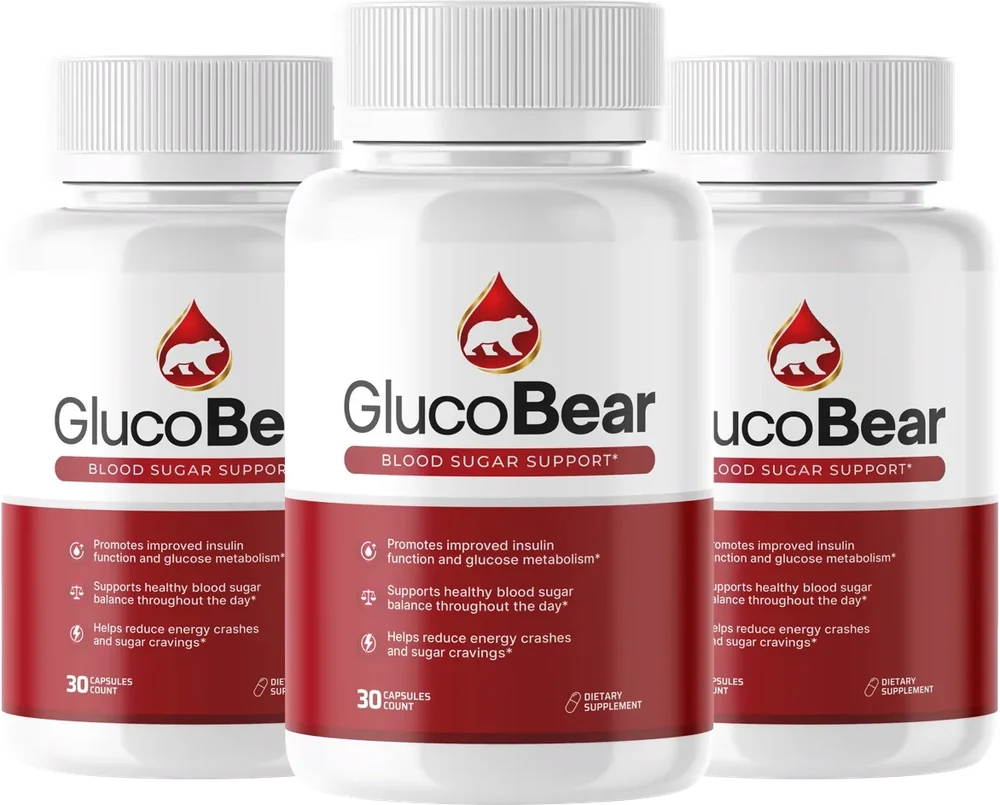
GlucoBear features four ingredients, each chosen for a different step in how your body handles sugar. The seller names them but does not publish amounts on its website, so check the Supplement Facts panel on your bottle and compare it with the study doses below.
| Ingredient | Main proposed action | Typical study dose | Evidence |
|---|---|---|---|
| Berberine | Liver glucose output, AMPK | 900-1,500 mg/day, split | Moderate |
| Gymnema sylvestre | Sweet taste, sugar absorption | 200-400 mg extract/day | Low |
| Bitter melon | Insulin-like compounds | Varied widely (often 2-3 g) | Very low |
| Alpha lipoic acid | Glucose uptake, antioxidant | 600 mg/day (nerve studies) | Good for neuropathy symptoms |
An illustration of each ingredient’s proposed role, based on published research, not a measured effect of GlucoBear.
Berberine
Berberine is an alkaloid extracted from plants such as barberry (Berberis vulgaris), goldenseal and Chinese goldthread (Coptis chinensis). It has been used for gut infections in traditional medicine for centuries; interest in blood sugar took off after Chinese trials in the 2000s.
What the research shows. A 2012 meta-analysis of 14 randomised trials (Dong et al.) and a 2022 update (Xie et al.) found berberine lowered fasting glucose, post-meal glucose and A1C compared with lifestyle advice or placebo, with effects roughly similar to some older oral drugs in head-to-head trials. Most trials were small, Chinese and of mixed quality.
How it may work. Berberine activates AMPK, an enzyme that acts as the cell’s fuel gauge, reduces glucose production in the liver and may change the gut microbiome. It also has effects on cholesterol.
Cautions. Digestive side effects are common. Berberine affects liver enzymes (CYP3A4, CYP2D6) and drug transporters, including the ones metformin uses (study). MedlinePlus rates it likely unsafe in pregnancy and for breastfed infants. Read more in Berberine for blood sugar.
Gymnema sylvestre
Gymnema is a woody climbing shrub native to India, Africa and Australia. Its Hindi name, gurmar, means “destroyer of sugar” because chewing the leaf makes sugar taste like sand for 15-60 minutes.
What the research shows. A systematic review found that the trials, mostly small and unblinded, suggested lower glucose in both type 1 and type 2 diabetes, but quality was too low for firm conclusions. The sweet-taste effect itself is well documented.
Cautions. It may add to diabetes drugs. A handful of liver-injury case reports exist. See Gymnema and sugar cravings.
Bitter melon
Bitter melon, also called bitter gourd or karela, is the fruit of Momordica charantia. It is a common vegetable in South and East Asian cooking and a traditional remedy for diabetes in many countries.
What the research shows. Laboratory studies identified insulin-like compounds (polypeptide-p, charantin, vicine). Human trials are few and small. A Cochrane review concluded there was not enough evidence to recommend bitter melon for type 2 diabetes, and called for better trials.
Cautions. Abdominal pain and diarrhoea; possible low blood sugar with medicines; avoid in pregnancy; seeds can cause haemolytic anaemia in G6PD deficiency. More in Bitter melon: the evidence.
Alpha lipoic acid
Alpha lipoic acid (ALA) is made in small amounts in the mitochondria, where it helps enzymes turn food into energy. As a supplement it acts as an antioxidant that works in both water and fat and helps recycle vitamins C and E (see the Linus Pauling Institute).
What the research shows. In people with diabetic neuropathy, 600 mg a day by mouth improved burning, pain and numbness over five weeks in the SYDNEY 2 trial; a meta-analysis of intravenous trials agreed. Direct effects on glucose are modest and inconsistent.
Cautions. Nausea, heartburn and skin rash at higher doses; may lower glucose with medicines. Rare insulin autoimmune syndrome. More in our Alpha lipoic acid guide.
What is not in GlucoBear (and why that matters)
The seller’s reference list includes studies on cinnamon, chromium, magnesium, curcumin, olive leaf, vinegar and fibre. None of these is named as a GlucoBear ingredient. Those references support general glucose science, not this formula. If a product is right for you depends on what is actually in the capsule, so compare the bottle with our research review.
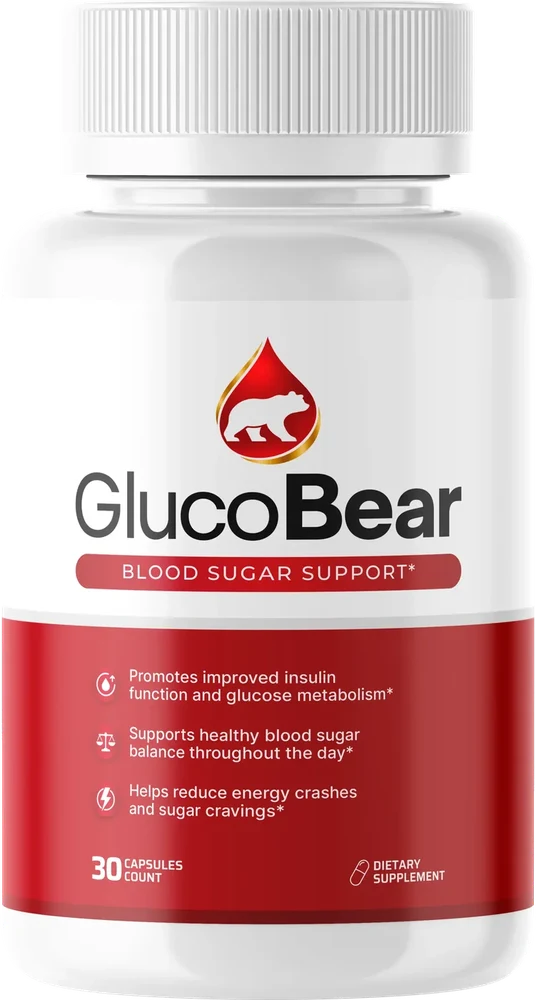
Want to see the current packages and price? Prices are shown only at the seller’s checkout. Read the safety guide first if you take any medicine.
Check Today’s GlucoBear PriceQuestions
Which GlucoBear ingredient is strongest?
Berberine, by a clear margin, if it is present at a dose close to the 900-1,500 mg a day used in trials.
Are the ingredients natural?
Berberine, gymnema and bitter melon are plant-derived. Supplemental alpha lipoic acid is usually made synthetically. We do not show the seller’s “100% natural” badge.
Can I take these ingredients separately instead?
Yes, each is sold on its own, which lets you see the exact dose. Discuss any of them with your doctor if you take medicine.